CONTRACT & COMPLIANCE
What Is Spend Intelligence? Why Procurement Needs It in 2026

Published on:

4 min read

Procurement teams have access to more data than ever. Every purchase order, invoice, supplier contract, payment, and transaction creates valuable information. But having more data does not automatically create better visibility.
The real challenge is understanding that data and turning it into action. This is where spend intelligence becomes important. Spend intelligence helps procurement teams understand where money is being spent, which suppliers and categories are driving costs, where savings opportunities exist, and where procurement risks may be hiding.
What Is Spend Intelligence?
Spend intelligence is the process of collecting, organizing, analyzing, and interpreting procurement data to make better business decisions.
Think of it as turning scattered purchasing information into a clear financial map.
A company may have spend data spread across ERP systems, procurement platforms, accounts payable systems, spreadsheets, invoices, and expense tools. Spend intelligence brings this information together to create a more complete picture of organizational spending.
For example, a company may believe it spends $2 million annually on software. A deeper analysis could reveal that different departments are purchasing similar solutions from dozens of suppliers, some contracts are underused, and other purchases are happening outside approved agreements.
That insight can help procurement consolidate suppliers, negotiate better terms, reduce unnecessary spending, and improve purchasing control.
The Spend Intelligence Journey

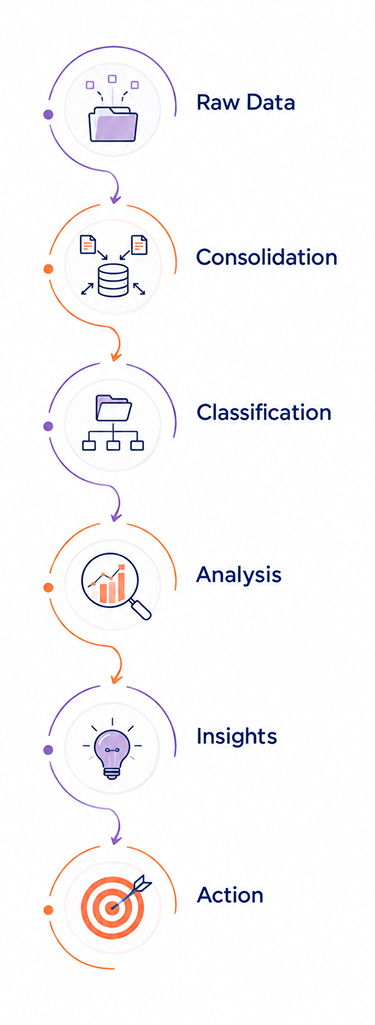
The goal is not simply to produce another report. It is to understand what spending patterns mean and determine what procurement should do next.
Why Traditional Procurement Reporting Falls Short
Traditional reporting still has value. Spreadsheets, ERP reports, and dashboards can answer basic questions such as:
- How much did we spend last month?
- Which suppliers received the most payments?
- Which departments spent the most?
- How much did we spend by category?
The challenge is that these reports often provide a snapshot rather than intelligence.
Procurement teams may need to manually collect information from several systems, clean inconsistent records, classify transactions, and prepare reports before they can begin meaningful analysis.
Data consistency is another challenge. The same supplier may appear under different names across systems. Similar purchases may also be classified differently.
Traditional reporting often tells you what happened.
Spend intelligence helps procurement understand:
Why did it happen? Where is the opportunity? What risks should we investigate? What should we do next?
That difference can help procurement move from reporting to strategic decision-making.
The Cost of Fragmented Spend Data
Fragmented spend data is not just a reporting inconvenience. It can directly affect procurement performance.
Imagine a company purchasing IT equipment across several business units. Each unit uses different suppliers and purchasing processes. One supplier may appear under multiple names, while similar products are assigned to different categories.
The organization has the data, but procurement cannot easily see the complete picture.
This can lead to:
Missed Savings Opportunities
When spending is scattered across suppliers and departments, procurement may fail to identify opportunities for supplier consolidation or better pricing.
Maverick Spending
Employees may purchase outside approved suppliers or contracts. Without proper visibility, these purchases can remain unnoticed.
Supplier Overlap
Different departments may unknowingly use multiple suppliers for similar products or services, reducing negotiating power.
Poor Category Visibility
Inconsistent classification makes it difficult to identify which categories offer the greatest savings potential.
Slower Decisions
When analysts spend hours preparing and cleaning data, less time is available for strategic analysis.
Increased Risk
Fragmented information can make it harder to identify unusual spending, supplier dependency, contract leakage, and other procurement risks.
Why did it happen? Where is the opportunity? What risks should we investigate? What should we do next?
What Does a Modern Spend Intelligence Platform Do?
A modern spend intelligence platform transforms disconnected procurement data into a unified and actionable view.
Consolidates Data
The platform can bring together information from ERP systems, procurement applications, accounts payable, purchase orders, invoices, expense systems, and other sources. This creates a broader view of organizational spending.
Classifies Spend
Transaction descriptions are rarely consistent. Spend classification organizes purchases into meaningful categories, helping teams understand spending across areas such as IT, logistics, marketing, facilities, and professional services.
Normalizes Suppliers
The same supplier may appear under different names because of spelling variations, subsidiaries, addresses, or different supplier IDs.
Supplier normalization helps procurement understand the organization’s actual supplier landscape.
Provides Spend Visibility
Teams can analyze spending by supplier, category, department, business unit, geography, or contract. Instead of looking at individual transactions, procurement leaders can identify larger spending patterns.
Identifies Opportunities
A modern platform can help uncover supplier consolidation opportunities, fragmented category spend, duplicate suppliers, contract leakage, and unusual purchasing patterns.
This allows procurement teams to focus on areas with the greatest potential impact.
Key Capabilities to Look for in a Spend Intelligence Platform
When evaluating a spend intelligence platform, procurement leaders should look for capabilities that support both visibility and action.
Capability
Why It Matters
Automated data ingestion
Reduces manual data collection
AI-powered classification
Organizes inconsistent transactions
Supplier normalization
Creates a clearer supplier view
Multi-source integration
Connects data from different systems
Interactive dashboards
Makes spend easier to understand
Opportunity identification
Highlights potential savings areas
Contract visibility
Helps identify off-contract spending
Trend analysis
Shows changes in spending over time
Drill-down analytics
Connects insights to transactions
Actionable insights
Supports faster procurement decisions
When evaluating a spend intelligence platform, procurement leaders should look for capabilities that support both visibility and action.
Spend Intelligence Is More Than Cost Cutting
Spend intelligence is often associated with savings, but its value extends beyond reducing costs. Modern procurement teams also need to understand supplier concentration, purchasing behavior, contract compliance, demand patterns, and potential risks.
For example, if most spending in a critical category is concentrated among a small number of suppliers, procurement may need to consider supply continuity and supplier risk along with pricing.
Similarly, significant off-contract spending may indicate problems with purchasing processes, employee adoption, supplier management, or contract accessibility.
Better spend visibility creates better questions, not just better reports.
From Spend Data to Procurement Action
The real value of spend intelligence comes from turning information into action.
The process can be viewed as:

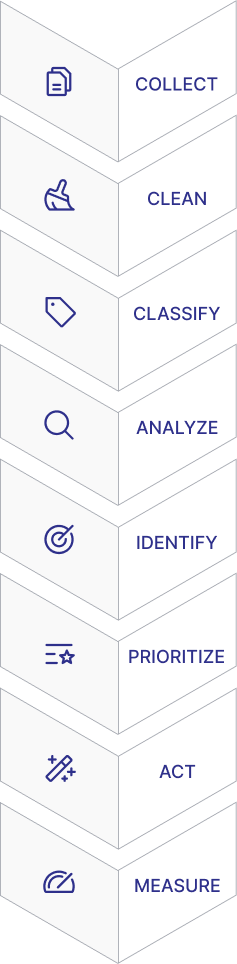
Imagine procurement discovers that several departments are purchasing similar software from different suppliers. Traditional reporting may show the individual transactions. Spend intelligence reveals the larger pattern.
Procurement can then investigate whether suppliers can be consolidated, unused licenses removed, purchasing standardized, or better commercial terms negotiated. The data becomes the foundation for a strategic decision.
Why Procurement Teams Need Spend Intelligence in 2026
Procurement is no longer limited to processing purchase orders and negotiating prices. CPOs and procurement leaders are expected to demonstrate measurable business value while managing complex supplier networks, cost pressures, compliance requirements, and procurement risks. That makes spend visibility essential.
Without a reliable understanding of where money is going, procurement leaders may make decisions using incomplete or outdated information. With spend intelligence, teams can move toward a more proactive approach:
Less manual reporting. More visibility. Less fragmented data. Better decisions. Less reactive procurement. More strategic impact.
Final Thoughts
In 2026, having procurement data is not enough. Organizations need to understand what that data is telling them. Spend intelligence helps procurement teams uncover spending patterns, identify savings opportunities, improve supplier visibility, strengthen compliance, and make better decisions.
A modern spend intelligence platform can turn fragmented procurement information into a clear and actionable view of organizational spending.
For CPOs and procurement leaders, the question is no longer simply:
“How much are we spending?”
The more valuable question is:
“What is our spend telling us, and what should we do about it?”
That is where spend intelligence becomes a strategic advantage.
Recent Blogs
What Is Spend Intelligence? Why Procurement Needs It in 2026
Frequently Asked Questions
What is spend intelligence?
Spend intelligence is the process of collecting, consolidating, classifying, and analyzing procurement and purchasing data to understand where an organization’s money is going and identify opportunities for savings, compliance, supplier optimization, and better decision-making.
Why is spend intelligence important for procurement?
Spend intelligence gives procurement teams greater visibility into spending across suppliers, categories, departments, and business units. This helps identify savings opportunities, reduce unnecessary spending, improve supplier management, and make more informed procurement decisions.
What is the difference between spend intelligence and spend management?
Spend intelligence focuses on understanding and analyzing spending data. Spend management is the broader process of controlling and optimizing organizational spending based on those insights. In simple terms, spend intelligence explains what is happening, while spend management focuses on what to do about it.
How does spend intelligence help identify cost-saving opportunities?
It can identify patterns such as fragmented supplier spending, duplicate suppliers, off-contract purchases, inconsistent pricing, and opportunities to consolidate categories or suppliers.
Can spend intelligence help reduce maverick spending?
Yes. By identifying purchases made outside preferred suppliers, contracts, or procurement processes, spend intelligence can help teams locate and address unmanaged or maverick spend.